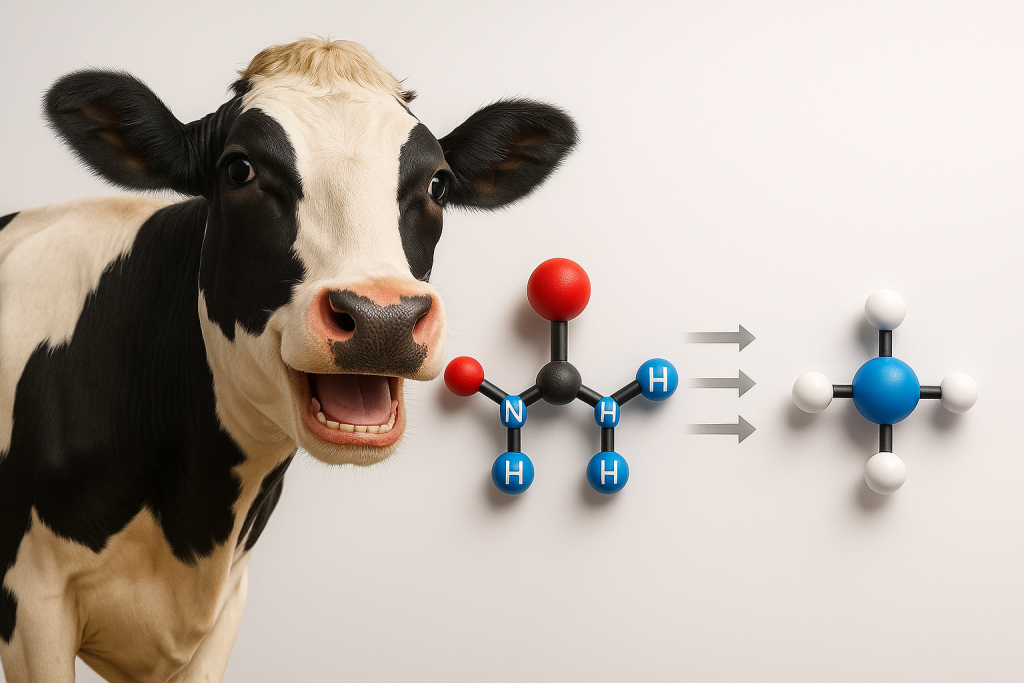
PROTINAT® PROCESS
(Patent IT/102022000014362 PCT/IB2023056515)
Speakers: Dr. G. Gabaldo, Prof. A. Ubaldi, Dr. M. Bellini

77-year-old veterinarian, from Verona, specialist in the development of New Technologies in the field of animal food and nutrition and is the inventor of urea treated with the PROTINAT® PROCESS. He has worked for more than fifty years in Italy and in much of Europe, sometimes in the American cinema as a nutritionist and specializing in ruminants. He works directly on farms for food nutritionist and in the livestock industry (food and pharmaceutical industry) designing new natural technological solutions for solving zootechnical problems, acquiring great experience in the preparation of food and in the preparation of functional foods, additives, supplements, therapeutic products and in particular natural ones such as nutraceuticals, digestive “microbiota” stimulators, antioxidant phytotherapeutic products, Omega 3, etc. It has also organized numerous updating and training courses on numerous topics for operators in the livestock sector, such as veterinarians, nutritionists and breeders. He has written numerous articles and technical manuals, some of which have been translated into Spanish, French, English, Catalan, Portuguese, Polish and Russian, of which there are books, one in English. He has been a speaker at several National and International Buiatría and Veterinary Sciences Congresses and Conferences, (Lucania Dairy Expo – Potenza / 2006, Congreso Nacional de Buiatría Castellaneta / 2009, Congreso Mundial de Buiatría / 2008 Budapest, Congreso Mundial de Agricultura / 2010, Santiago de Chile, Expo Agrotech Rusia / 2014, Agricola International Expo FERMA Polonia 2015 – International Veterinary Congress University of Poznan – Bêɖlewo – Polonia / 2016). I obtained my doctorate in the development of new technologies for the preparation of pharmaceutical products and for some years I taught as head of Zootechnics and Zoognosis at the Agricultural Technical Institute of Verona. I was an external professor at the Department of Animal Production, Epidemiology and Ecology at the University of Turin and professor of Physiopathology of Nutrition of Lecheras Cows at the Department of Veterinary Sciences at the University of Parma. He is currently retired and works as a consultant for public bodies, Italian and foreign companies in Italy and throughout Europe (France, Spain, Benelux, Switzerland, Poland and Russia).
Dr. Giulio Gabaldo , DVM, PhD – Via Della Speranza, 38 – 37069 VILLAFRANCA VR – ITALIA – Off. Phone +39.366.6178221 Fax. +39.045.6300990 Cell. +39.335.8477144 – www.gabaldo.com [email protected] )
Born in Parma 80 years ago, married and with a son, professor emeritus of Veterinary Toxicology at the Faculty of Veterinary Medicine of the University of Parma from 1974 to 2015. He taught as professor of clinical diagnosis in a biochemical laboratory, veterinary toxicology. , toxicology of food residues and among three specialization schools at the Universities of Parma and Milan. The main research topics are animal metabolism, with special attention to ruminants, metabolic diseases of animals in intensive farming, toxicology in the animal sector and in particular in production chains (milk, meat and eggs). He has collaborated with several pharmaceutical industries to test new medicines. Develops and disseminates appropriate health interventions to resolve intoxication conditions in animals, such as intoxication by nitrites and nitrates, by mycotoxins, by arsenic in drinking water, by phytohormones and by pesticides in forages and livestock. I was president of the World Veterinary Laboratory Diagnostic Society. He has been a visiting professor at several universities, such as Guelph (Canada), Biet Dagan-TelAviv (Israel), Davis-California (EE.UU.), Lyon (France), Toulouse (France). He has produced more than 260 scientific publications in magazines of national and international interest. He has been a speaker at numerous international congresses, as well as organizer, president and member of the scientific committees of international congresses held in Parma. Participated, as head of an operational unit, in European projects for the organization of new Faculties of Veterinary Medicine in African countries (Camerún, Gabon, Equatorial Guinea, Chad). He works in Ethiopia as an expert in technical collaboration with the Italian Ministry of Foreign Affairs. Currently retired, he works as a consultant for companies, industries and research centers. He is scientific director of a university spin-off in Parma.
Prof. Antonio Ubaldi, DSC, PhD – via Dacci 1, 43123 PARMA PR – ITALIA – cell 3396272036, email: [email protected]
Born in Mantua for 70 years and obtained a bachelor’s degree in classical studies at the Liceo Ginnasio Virgilio de Mantua in 1975. He graduated in Agricultural Sciences in 1981 at the Faculty of Agriculture of the University of Padua. In 1986 I obtained my doctorate in Agriculture and Animal Nutrition at the University of Milan. From 1983 to 1988 he graduated professionally at the Istituto Lattiero Caseario de Mantua (and ERSAF) within the scope of the “Qualità Leche” project. From 1989 to 2023, within the scope of organic agriculture, I was called by the Asociación de Criadores de Mantua as an agronomist and nutritionist to provide advice to companies registered as . From 2023, consultation will be entrusted to the Asociación Regional de Lifts of Lombardía. Since 2016, the consultation request from the Department of Agrofood Quality in Rome has been active.
Dr. Marco Bellini – Food Agronomist – Via Susani, 6 46100 – Mantova 3357669011 [email protected]
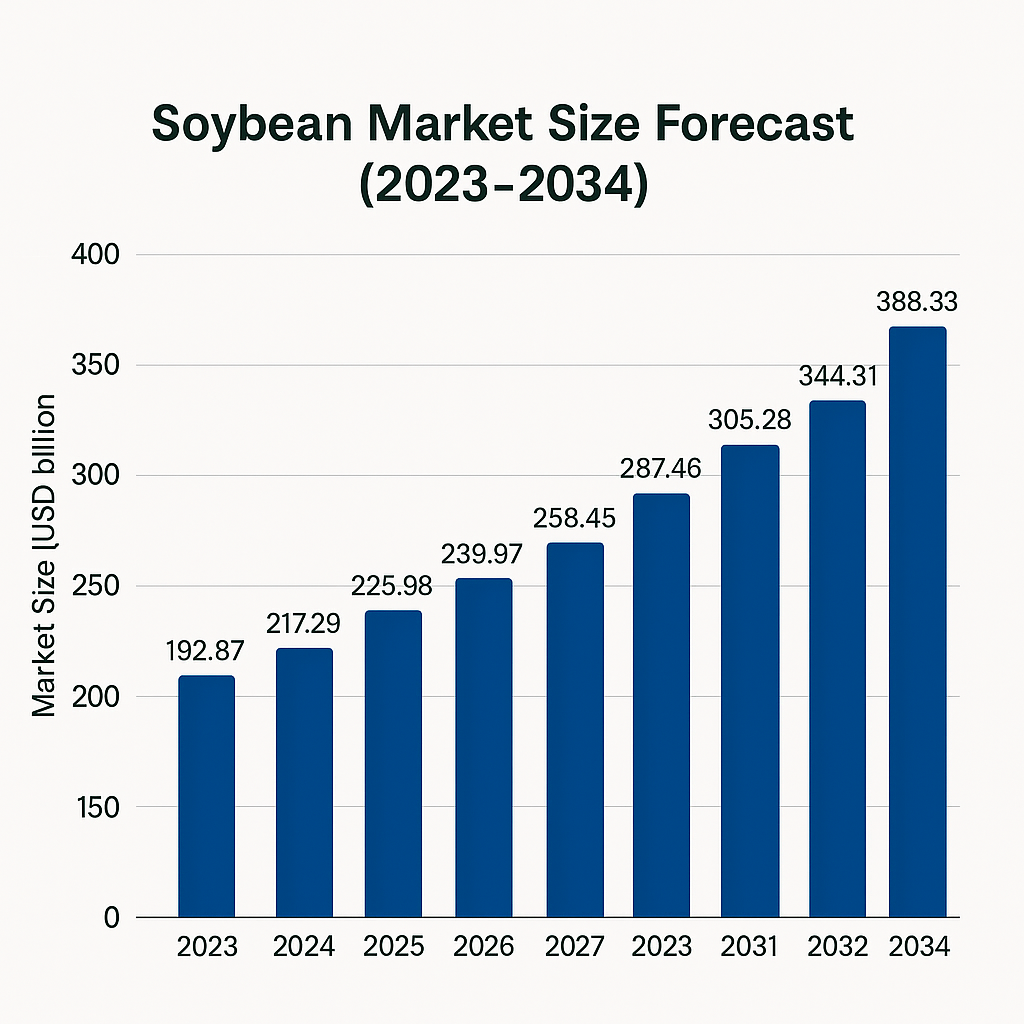
It is currently considered that soy is the most effective source of protein in the diets of ruminants.
Adult ruminants with a functional rumen can synthesize proteins from non-protein nitrogen sources (NPN), such as urea, and metabolize nitrogenous compounds from food to NH4 + NH3, which is used for the formation of microbial proteins.
Soy is expensive and is not always available in all regions of the world. If it is not treated properly, it could also be toxic?
In some cases, when soybeans do not receive adequate treatment, their use in diets for ruminants is not recommended.
How can we obtain the protein in ruminants in a region where it is not easily available?
Adult ruminants with a functional rumen can synthesize proteins from non-protein NPN nitrogen sources, such as urea, and metabolize nitrogenous compounds from the food such as NH4 + NH3 in a controlled manner (hydrolization) to form bacterial proteins forming amino acid proteins. The hydrolization speed determines whether it is toxic or not.